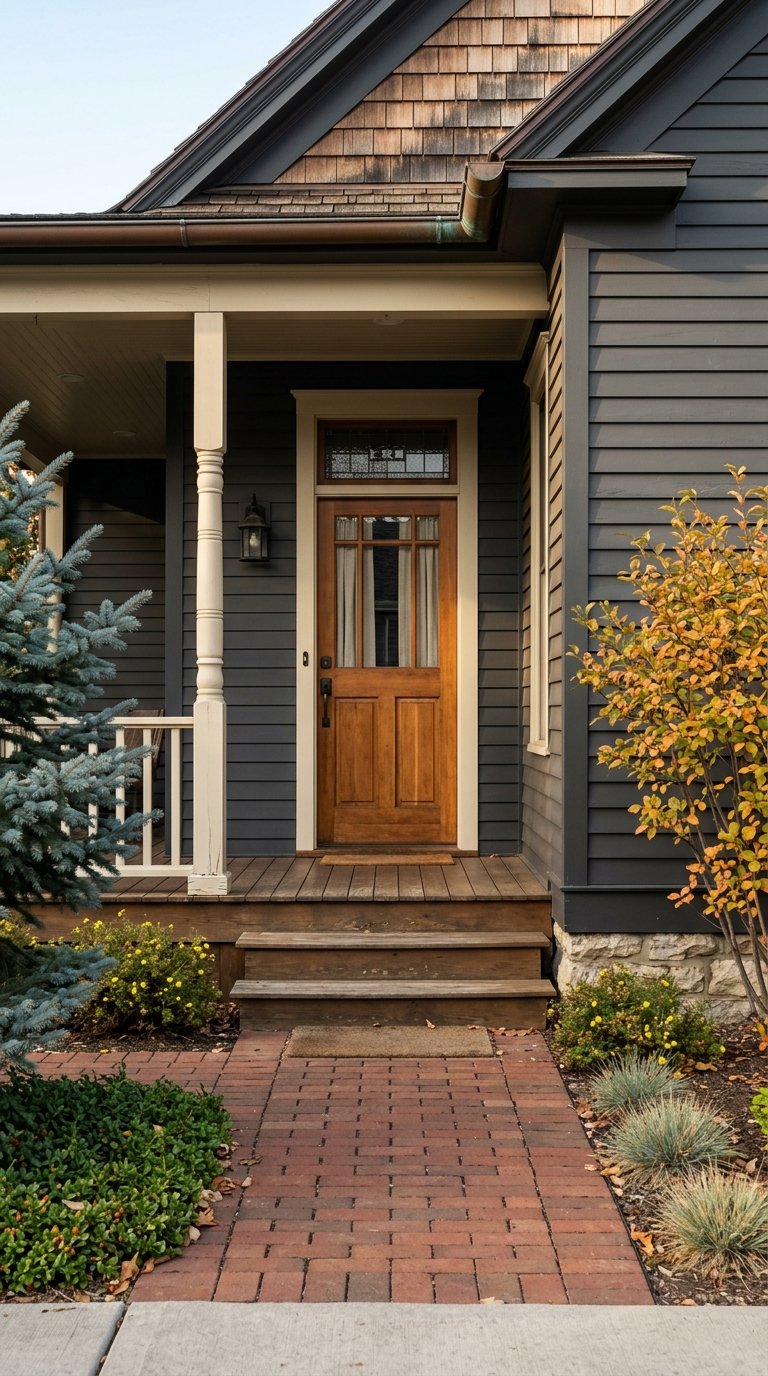
Selling A Historic Home In The Town Of Telluride
June 4, 2026
June 4, 2026
Thinking about selling a historic home in Telluride? You are not just listing a property. You are presenting a piece of a nationally recognized historic district in one of Colorado’s most supply-constrained mountain markets. If you want to protect value, avoid surprises, and market your home well, it helps to understand how preservation, pricing, and buyer expectations work together here. Let’s dive in.
Telluride’s downtown historic district is a federally recognized National Historic Landmark District. According to the Town of Telluride’s preservation resources, the district includes most of the Town of Telluride and reflects the community’s mining-era settlement pattern and boom-town architecture.
That context matters when you sell. Your home may be privately owned, but it can still be part of a larger protected streetscape where architectural integrity, site features, and compatibility carry real weight. In Telluride, buyers often look at a historic home not only as a residence, but also as a stewardship property.
The setting adds another layer. The town sits at the end of a box canyon at about 8,750 feet, with only one paved road leading in. That physical setting helps explain why preservation, scarcity, and place are so closely tied in the Telluride market.
Before you think about photos, pricing, or staging, review the property’s historic and physical record. The Town of Telluride provides tools that can help, including the historic survey list, survey maps, accessory-structures map, and current design guidelines.
This step can help you confirm whether your home has documented historic significance and whether past exterior work appears to align with town records. It can also help you spot open questions early, which is much easier than trying to answer them once a buyer is already doing due diligence.
In Telluride, exterior changes may require review before permits are issued. The Historic and Architectural Review Commission, or HARC, issues Certificates of Appropriateness for erection, demolition, moving, renovation, restoration, additions, alterations, and signs.
If you made changes in the past, or if a prior owner did, it is smart to gather records now. Clean documentation can support buyer confidence and reduce friction during the sale process.
Do not stop with the main house. In the Historic Residential Zone District, the town’s code makes clear that buildings, sheds, fences, retaining walls, and other site features all contribute to community character.
That means your pre-listing review should include accessory structures and exterior elements across the full lot. A detached shed, a fence line, or a retaining wall may matter more to buyers and reviewers than you expect.
If your home needs attention before listing, the goal is usually not to make it feel generic or over-renovated. In Telluride, the better strategy is often to preserve what gives the home its character while improving function, condition, and buyer confidence.
The local design guidance consistently points toward repair over replacement and compatibility over contrast. That mindset can shape everything from windows to landscaping to exterior materials.
Windows are a major example. Telluride’s design guidance says the character-defining elements of historic windows should be preserved whenever feasible.
That means buyers may respond well to original windows that have been maintained or restored, especially when supported by clear documentation. The same guidance says storm windows are preferred, replacement should match original form and material, and thermal glass can be used to improve efficiency.
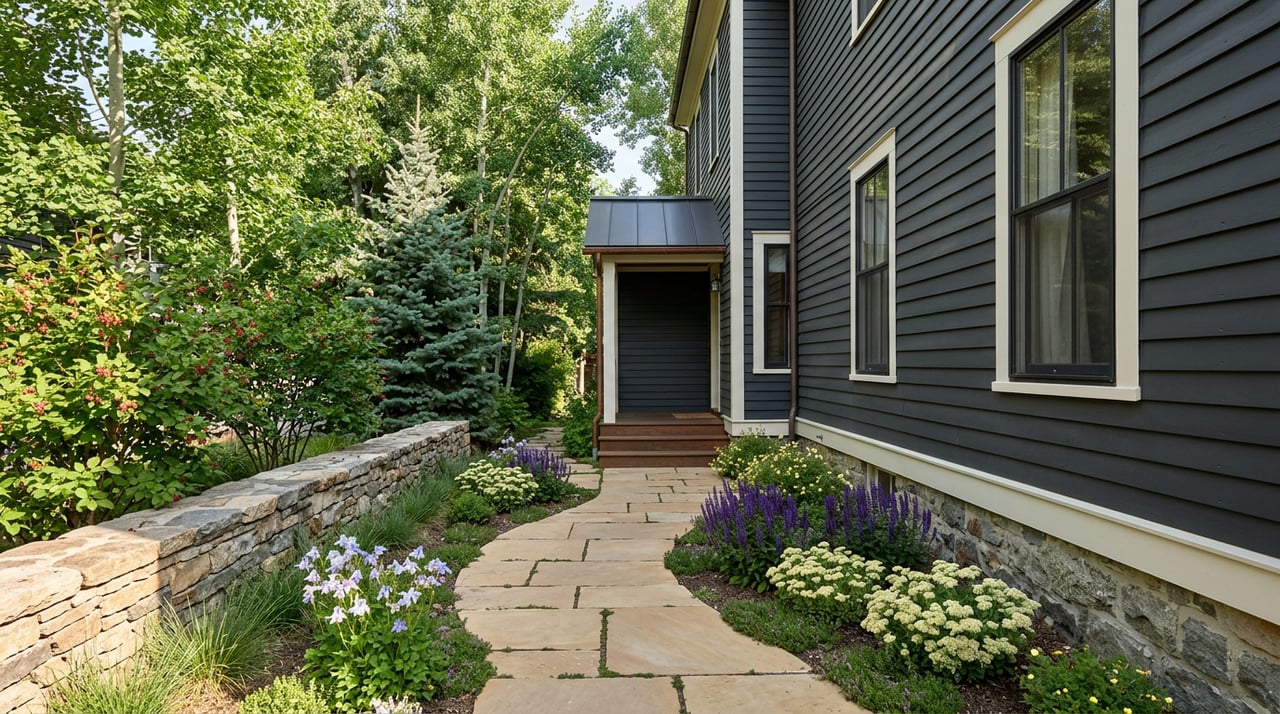
Curb appeal matters, but in a historic Telluride setting, simple often works better than elaborate. Local guidance favors climate-appropriate planting, preserving native vegetation when feasible, and avoiding large maintenance-heavy turf areas.
For sellers, that can be a practical advantage. A clean, tidy, low-maintenance exterior often supports both historic compatibility and mountain-market buyer expectations.
Telluride’s design guidelines also emphasize expressing the historic plat and roof-ridge orientation when feasible. If your home has had additions or site changes over time, that broader context may affect how buyers and local professionals evaluate the property.
This is one reason exterior prep on a historic home should be thoughtful rather than rushed. Small details can influence both presentation and perceived risk.
Historic homes are rarely easy to price with broad online estimates alone. Public portals show that Telluride remains a multi-million-dollar market, but they do not always line up on listing counts or pricing.
For example, Zillow showed 56 for-sale listings in Telluride and a median list price of $2.675 million on April 30, 2026. Realtor.com showed 125 homes for sale, a median listing price of $3.50 million, median days on market of 130, and a sale-to-list ratio of 91% in March 2026.
Those differences are a reminder that a local MLS comp set is usually the better tool for valuing a historic property. In a market like Telluride, each historic home can differ significantly in location, design integrity, condition, and documentation.
When pricing a historic home in Telluride, it helps to break value into four parts:
This framework matters because buyers are not just comparing square footage. They are also weighing how authentic the home feels, how much work may be ahead, and whether the property’s history and improvements are clearly documented.
A well-preserved historic home can appeal strongly to buyers who value authenticity and want confidence in the home’s condition. In contrast, unpermitted exterior changes or visible deferred maintenance may narrow the buyer pool and put pressure on price.
That does not mean every old feature adds value. It means the market often responds best when original character, modern livability, and documentation are all working together.
The strongest marketing message for a historic Telluride home is usually not “fully updated.” It is more often preserved character with modern livability.
That distinction matters because buyers looking at historic property in town are often drawn to details that cannot be recreated easily. They may care as much about original trim, façade materials, windows, and site context as they do about appliances or finish trends.
Your photo strategy and listing presentation should showcase the elements that define the property’s character. Depending on the home, that may include:
In Telluride, these details help buyers understand not just what the home is, but why it matters.
Documentation matters more than usual when selling in a historic district. If you can provide a clear package of records, buyers may feel more comfortable moving forward.
Useful materials may include town survey information, prior approvals, permit history, and records of restoration or repair. The goal is simple: reduce uncertainty and show that the property has been cared for thoughtfully.
Historic home sales often benefit from a team that understands Telluride’s preservation framework. If repairs or exterior changes are needed before listing, it can make sense to involve professionals who are familiar with older mountain homes and the local review process.
That may include a preservation-aware architect or designer, a contractor with experience in historic properties, and an appraiser who understands historic-district comparables. In a niche market, the right expertise can save time and help protect value.
Telluride’s historic homes sit in a limited-supply market, but scarcity alone is not the whole story. Buyers are often evaluating design integrity, maintenance burden, and the reliability of the property record right alongside location and price.
If you are preparing to sell, the best results often come from treating the process with care. When you combine smart documentation, preservation-minded prep, and locally informed pricing, you put your home in the best position to stand out for the right reasons.
If you are considering selling a historic home in Telluride and want guidance shaped by local context, market nuance, and presentation strategy, connect with Eric Saunders.
August 6, 2026
Local Knowledge & Lifestyle
Eric Saunders | July 28, 2026
Buying
Eric Saunders | July 28, 2026
Buying
Eric Saunders | July 28, 2026
Real Estate Education & Tips
July 28, 2026
Real Estate Education & Tips
Eric Saunders | July 28, 2026
Selling
Eric Saunders | July 28, 2026
Local Knowledge & Lifestyle
Eric Saunders | July 28, 2026
Eric Saunders | July 27, 2026
Find Mountain Village Ski Condos and Resort Living in Telluride.
Eric loves to help people discover the mountain lifestyle and magic of Telluride. He brings a high level of professionalism and integrity to each transaction; allowing you to relax and enjoy the buying/selling process. He has been involved in over $400 million in real estate transactions and has guided clients through large-scale and single-family developments, condo, commercial and land purchases.