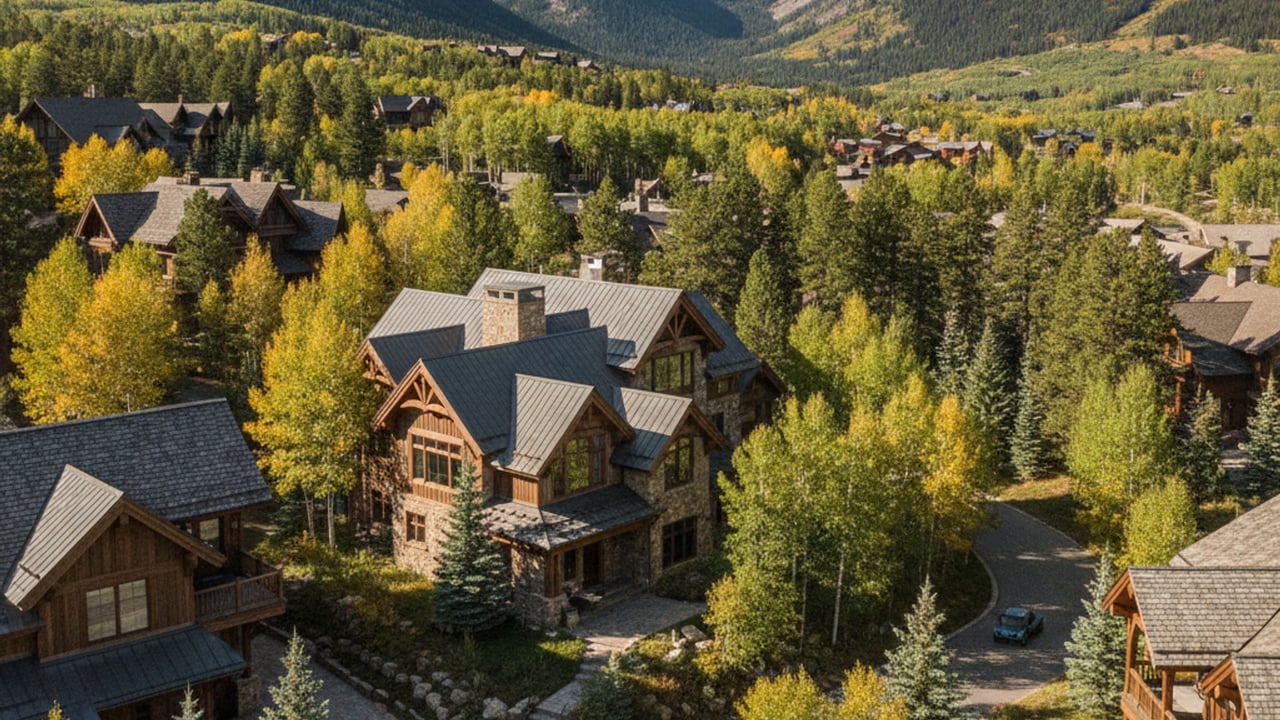
Is Living in Telluride, CO Right for You in 2026?
Local Knowledge & Lifestyle Eric Saunders July 28, 2026
Local Knowledge & Lifestyle Eric Saunders July 28, 2026
Telluride, CO, sits at the end of a box canyon in the San Juan Mountains - 2,607 year-round residents tucked into 2.22 square miles, according to the 2020 Census. That number tells you almost everything you need to know about the scale of this place before you visit it or consider buying a home in Telluride, CO.
At an elevation of nearly 8,750 feet, roughly 65 miles from the nearest city of any size, with a median home price approaching $5.78 million - this is not a casual relocation decision. If you're seriously considering it, here's what the data actually shows.
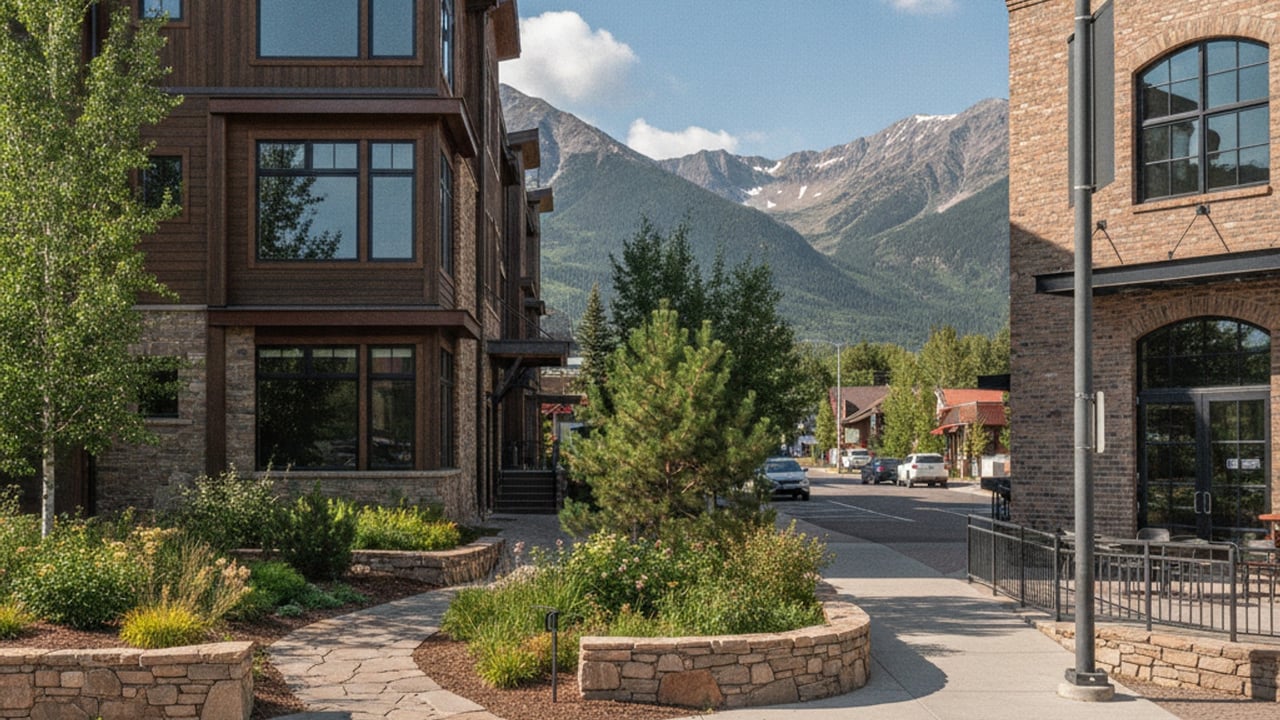
The honest version of this conversation goes like this: Telluride offers something genuinely rare - a walkable, concentrated town where the ski resort and dozens of trailheads are steps from your front door, not a drive away. Most of your daily errands don't require a car. The community is small enough that you'll know your neighbors.
The tradeoff is real, though. With a median of 203 days on market and only 51 active listings, finding a primary residence here takes time and financial staying power. The luxury price point means the market moves on its own schedule.
Immediate access to the natural environment is the central draw, and it delivers exactly what it promises. You live within walking distance of the ski resort and dozens of hiking trails. The small town footprint keeps the community geographically tight-knit in a way that larger resort towns simply don't.
Affordability and isolation are the two things that end most people's Telluride conversations. Montrose is over an hour away, which means a specialist appointment or a serious shopping run is a full-day commitment. And from November through April, winter weather can complicate getting in or out of the canyon entirely - not occasionally, but regularly.
Telluride is the county seat and the most populous town in San Miguel County, in southwestern Colorado. It sits at the end of a spur road, surrounded by steep forested peaks on three sides.
That geography is not incidental - it shapes everything about daily life here. Montrose is about 65 miles to the south. Grand Junction and Durango are your other regional reference points. Denver, Salt Lake City, and Albuquerque are all roughly five to seven hours by car. There's no quick option once you're in the canyon.
Crime data for Telluride requires a bit of context before the numbers make sense. According to City-Data, the 2024 crime rate in Telluride was 60 on their crime index - 3.9 times lower than the U.S. average and a 52% drop compared to 2023. CrimeGrade, on the other hand, reports a higher per-capita rate of about 84 per 1,000 residents.
The gap between those two figures comes down to methodology. Telluride's small year-round population is used as the baseline denominator, while many of the incidents involve the much larger seasonal visitor population cycling through town. Neither number is wrong - they're just measuring different things.
Within town limits, the Telluride Marshal's Department handles law enforcement. They're located at 134 S. Spruce Street and can provide local safety data directly.
San Miguel County falls under the jurisdiction of Sheriff Dan Covault, who took over after longtime Sheriff Bill Masters retired on June 2, 2025, following 45 years in the role. If you want neighborhood-level statistics, both agencies are your best starting point.
Housing is where the numbers get clarifying in a hurry. As of mid-2026, the median sale price in San Miguel County sits at approximately $5,783,682 - a roughly 65% year-over-year increase - against an inventory of just 51 available listings. Homes are spending a median of 203 days on market, and the average sale-to-list ratio is about 94%.
A 24.4 months of supply figure tells you this is a very specific, slow-moving luxury market. Buyers aren't competing in bidding wars; they're waiting for the right property and negotiating from a position of patience. Beyond the purchase price, everyday expenses run higher than the state average - groceries, utilities, transportation - because getting goods into a remote mountain canyon adds cost at every step.
The median household income in Telluride is $103,071, roughly 9% higher than the Colorado state median. The gap between that income figure and a $5.78 million median home price is not a typo - it reflects a market where most buyers are not financing the purchase on earned income alone.
Budget for higher property insurance premiums and steeper utility costs going into winter. The financing picture here requires substantial down payments, and the carrying costs of a home at altitude warrant a careful look before you commit.
The 2020 Census put Telluride's year-round population at 2,607. That number shifts considerably during ski season and the summer festival months, when the town's pace and feel change noticeably. Then it quiets back down.
All 2.22 square miles are land - the surrounding topography draws the boundary for you. There's no room for suburban sprawl, which keeps the community footprint compact and life organized around a handful of main thoroughfares.
The high-alpine environment is not an abstract talking point - it runs your daily schedule. Long, heavy winters mean you're preparing for serious road conditions and potential closures as a matter of routine, not exception. The box canyon geography adds avalanche risk on the surrounding pass roads to that list. Buyers should review property disclosures carefully for natural hazard zoning, as it can directly affect insurance rates.
Colorado Avenue handles most of what you need day-to-day. Local grocery options, hardware supplies, and outdoor gear shops are all accessible without leaving the canyon.
For anything larger - major purchases, specialized services - Montrose is your destination, 65 miles south. The free gondola connecting Telluride to Mountain Village operates daily as the primary public transit link between the two areas, and it's genuinely useful for residents moving between them.
Buyers looking at southwestern Colorado often weigh Telluride against Montrose or Durango. The core question is what you're actually optimizing for.
Montrose offers a lower cost of living, a regional airport with more consistent commercial service, and straightforward access to major highways. Telluride offers ski-in/ski-out access and a pedestrian-focused layout - but at a significant housing premium and considerably greater isolation. Neither is wrong. They're just different answers to different questions.
Specialized housing - senior living, assisted living, sober living - is limited in Telluride. The town's small footprint and high property values don't lend themselves to large-scale residential care facilities.
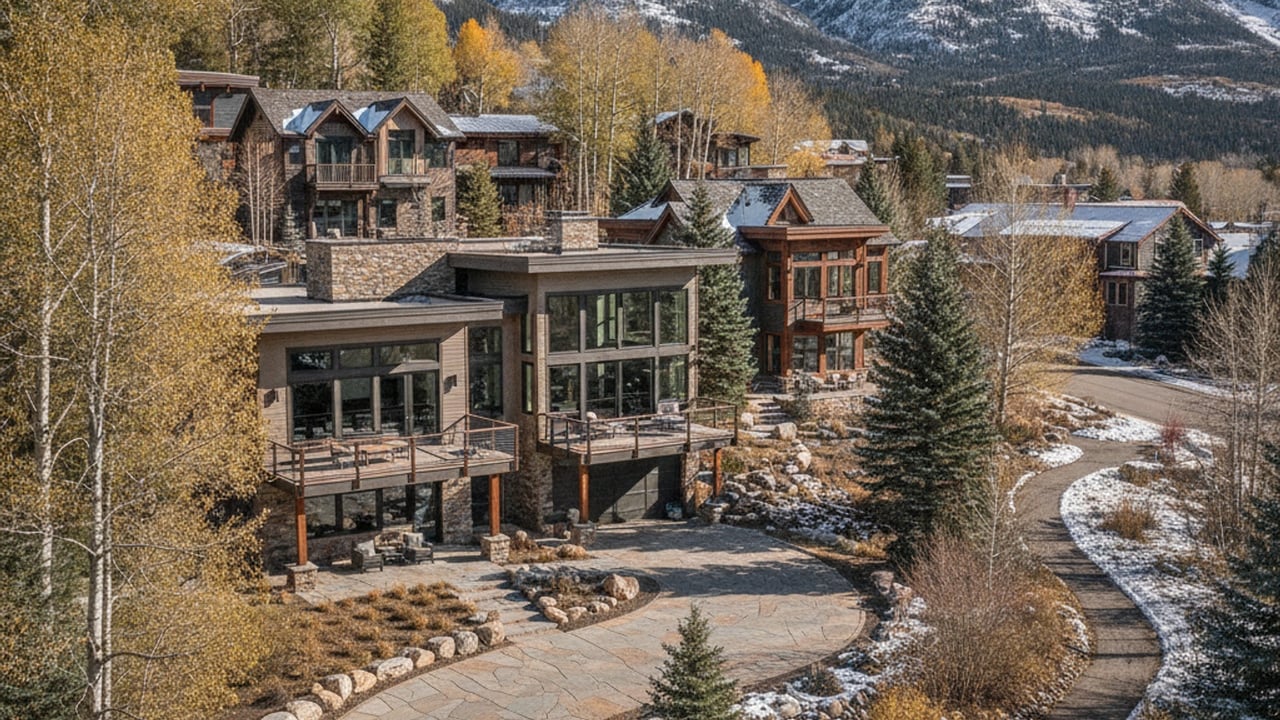
Buyers whose plans include assisted living options typically expand their search to Montrose or Grand Junction, where larger medical campuses operate. Within Telluride itself, the inventory is predominantly single-family homes, historic properties, and luxury condominiums.
It requires a substantial budget. The median home sale price in San Miguel County is approximately $5.78 million, and the median household income is $103,071. Everyday goods also cost more due to the expense of transporting them into the remote canyon.
Quite difficult. There are currently only about 51 homes in the active inventory, and the market moves slowly with a median of 203 days on market. The limited 2.22 square miles of land restricts new development.
Geographic isolation and winter weather. The nearest major city, Montrose, is 65 miles away, and major metros like Denver or Salt Lake City are five to seven hours by car.
Quiet - genuinely quiet. As the tourist population departs, many local businesses close temporarily or reduce hours, leaving the core year-round population of 2,607 residents with fewer immediate amenities.
It depends on your budget and your tolerance for isolation. The town is compact and walkable with immediate outdoor access, but the multi-million-dollar housing market and distance from major medical centers require significant financial resources and planning.
Telluride is more geographically isolated. All three share high housing costs, but Telluride's position in a box canyon - 65 miles from Montrose - makes travel and shipping more logistically complex than towns like Steamboat Springs.
August 20, 2026
Areas
Eric Saunders | August 14, 2026
Areas
Eric Saunders | August 14, 2026
Areas
Eric Saunders | August 14, 2026
Areas
Eric Saunders | August 14, 2026
Local Knowledge & Lifestyle
Eric Saunders | August 14, 2026
Local Knowledge & Lifestyle
Eric Saunders | August 14, 2026
Buying
Eric Saunders | August 14, 2026
Local Knowledge & Lifestyle
Eric Saunders | August 14, 2026
Eric loves to help people discover the mountain lifestyle and magic of Telluride. He brings a high level of professionalism and integrity to each transaction; allowing you to relax and enjoy the buying/selling process. He has been involved in over $400 million in real estate transactions and has guided clients through large-scale and single-family developments, condo, commercial and land purchases.