Trout Lake Cabins in Colorado: A Buyer’s Lifestyle Guide
June 25, 2026
June 25, 2026
If you are drawn to the Telluride region but want something quieter, more private, and more tied to the landscape, Trout Lake deserves a close look. Owning here is less about being in the middle of shops and ski-village activity and more about waking up to alpine views, seasonal beauty, and easy access to trails and open space. If you are considering a home in this corridor, it helps to understand how Trout Lake lives day to day, how it differs from Telluride or Mountain Village, and what makes it special. Let’s dive in.
Trout Lake sits along Colorado Highway 145 on the San Juan Scenic Byway, about 10 miles south of Telluride and just north of Lizard Head Pass. That location shapes almost everything about ownership here. Instead of a town-center setting, you are in a mountain corridor defined by highway access, forest edges, and big views.
The area also has a distinct historic layer. The Forest Service describes Trout Lake as a natural lake that was enlarged to support the Ames Hydroelectric Generating Plant near Ophir, and San Miguel County’s historic register includes the Trout Lake Rio Grande Southern Railroad water tank. That combination gives the area a legacy feel that stands apart from more polished resort environments.
If you are comparing Trout Lake with Telluride or Mountain Village, the biggest difference is lifestyle rhythm. Telluride offers a historic downtown, shopping, dining, nightlife, and ski access, while Mountain Village is built around direct resort access and a more service-oriented setting. Trout Lake is quieter, more self-contained, and far less walkable.
For many buyers, that difference is exactly the point. Trout Lake offers more privacy, more immediate contact with the landscape, and a stronger sense of being in the mountains rather than in a resort core. In exchange, you give up the convenience of stepping outside to restaurants, retail, or lift access.
One of Trout Lake’s biggest strengths is how clearly the seasons shape the experience. Along the San Juan Scenic Byway, the Forest Service describes spring waterfalls, summer wildflowers, fall aspen color, and snowy winter scenery. If you want a place that feels visually dynamic all year, this corridor delivers.
That seasonality also affects how you use the property. Summer and fall often center on hiking, scenic drives, fishing, and time outside, while winter shifts toward snow-covered quiet and Nordic recreation. Trout Lake tends to appeal to buyers who value that slower, more nature-first pattern.
Warm-weather recreation around Trout Lake is one of the area’s biggest lifestyle draws. The Hope Lake Trail is a well-known hike in the area, described by the Forest Service as a popular six-mile out-and-back route with wildflowers and a high-alpine lake. The trailhead sits about 4 miles east of CO 145.
It is worth knowing that the final road section to the Hope Lake trailhead is rough enough that high-clearance vehicles are recommended. That detail says a lot about ownership in this corridor. Some recreation is easy and direct off the highway, while other outings require a little more planning and a little more patience.
Fishing is also part of the local lifestyle. Colorado Parks and Wildlife notes that anglers need a valid fishing license, and county and Forest Service materials point to Trout Lake as a fishing destination. If you enjoy simple mountain routines, that kind of access can be part of the appeal.
Winter use at Trout Lake is different from resort-based ski living. At the lake itself, the emphasis is more Nordic than downhill. The Trout Lake Nordic Ski Trail is groomed by the Telluride Nordic Association for both skate and classic skiing and follows the historic Rio Grande Southern railroad grade.
Parking is available at Lizard Head Pass and near the east end of the Trout Lake subdivision, which adds practical access for winter recreation. For buyers who like quiet winter days, scenic ski tracks, and a less crowded mountain experience, this is a meaningful part of the Trout Lake lifestyle.
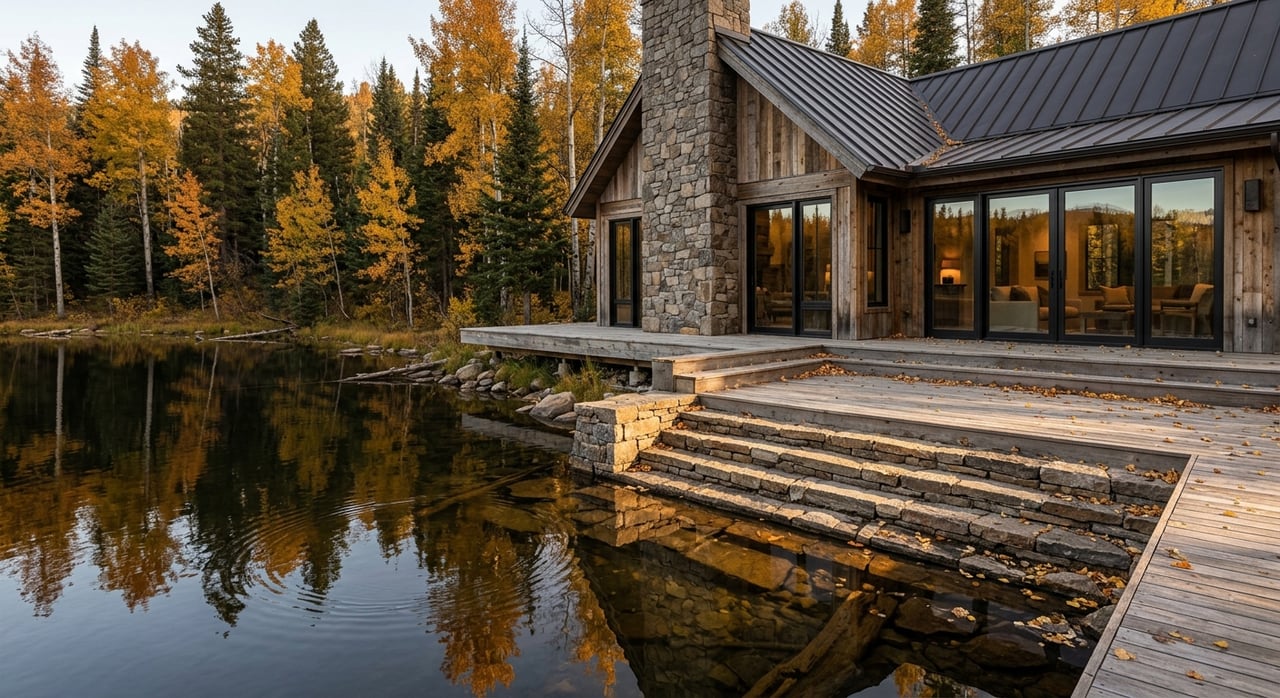
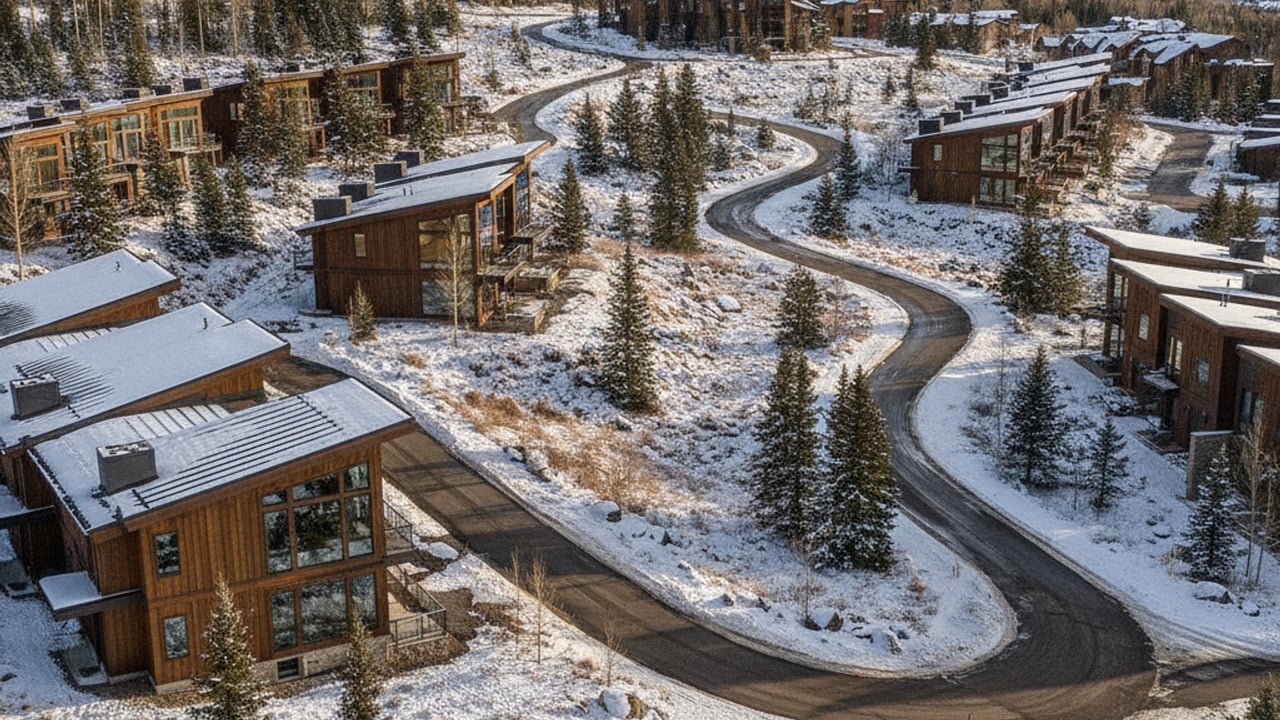
County planning material describes Trout Lake as a mix of old and new construction, with some wood shake roofs noted in the area. In practical terms, that points to a varied housing feel rather than a uniform neighborhood style. You may find older cabins, updated mountain homes, and legacy structures that reflect different eras of building.
That variation is part of the appeal. Trout Lake does not read as a polished, one-style-only subdivision. It feels more layered, more rustic, and more connected to the long history of this part of San Miguel County.
Historic elements deepen that sense of place. County records reference the Trout Lake railroad water tank as a rare surviving example of a once-common railroad structure, and nearby Forest Service material notes preserved trestle features in the area. Together, those details support a setting with authentic mountain character.
Before buying at Trout Lake, it helps to be honest about day-to-day logistics. Access is primarily by car, with travel that may include CO 145 as well as smaller county or forest roads. That is very different from owning in a more walkable resort setting.
San Miguel County materials also show the county maintains North Trout Lake Road under an agreement with the Forest Service. That helps explain why ownership here often comes with a greater awareness of road conditions, weather, and seasonal changes. In a mountain corridor like this, access is part of the ownership experience, not just a background detail.
Summer traffic is another practical point. County material notes that traffic can increase because the main road also serves public lands to the east. For owners, that can shape weekend timing, trailhead routines, and how you plan busy recreation periods.
Trout Lake does not exist in isolation. Nearby public facilities and recreation areas influence the feel of the entire corridor. Matterhorn Campground sits between Ophir and Trout Lake, and the Lizard Head Pass area includes scenic byway stops, trail access, and interpretive viewpoints.
That broader context matters when you think about ownership. The area feels recreation-oriented and forest-edge, not urban or resort-core. If you want a property that serves as an alpine base with quick access to scenery and trail systems, Trout Lake fits that profile well.
Trout Lake is often a strong fit for buyers who want to be near Telluride without living in its busiest environments. If you care more about privacy, mountain atmosphere, and four-season scenery than walkability and resort services, this area may feel like a better match. It can also appeal to buyers who value legacy character and a less standardized housing setting.
It may be less ideal if you want easy pedestrian access to dining, retail, nightlife, or lift infrastructure. Trout Lake asks you to trade convenience for space, quiet, and a more grounded connection to the land. For the right buyer, that trade can be exactly what makes ownership here so compelling.
If Trout Lake is on your radar, focus on a few practical questions early:
Those questions can help you separate a place that looks beautiful on paper from a place that truly fits how you want to live. In a niche market like Trout Lake, alignment between lifestyle and property matters just as much as the home itself.
If you are exploring Trout Lake or comparing it with Telluride, Mountain Village, Ophir, or other nearby areas, local context makes a real difference. A property here is not just about square footage or finishes. It is also about setting, access, seasonality, and how the corridor functions over time. If you want experienced guidance on whether Trout Lake is the right fit, connect with Eric Saunders.
August 6, 2026
Local Knowledge & Lifestyle
Eric Saunders | July 28, 2026
Buying
Eric Saunders | July 28, 2026
Buying
Eric Saunders | July 28, 2026
Real Estate Education & Tips
July 28, 2026
Real Estate Education & Tips
Eric Saunders | July 28, 2026
Selling
Eric Saunders | July 28, 2026
Local Knowledge & Lifestyle
Eric Saunders | July 28, 2026
Eric Saunders | July 27, 2026
Find Mountain Village Ski Condos and Resort Living in Telluride.
Eric loves to help people discover the mountain lifestyle and magic of Telluride. He brings a high level of professionalism and integrity to each transaction; allowing you to relax and enjoy the buying/selling process. He has been involved in over $400 million in real estate transactions and has guided clients through large-scale and single-family developments, condo, commercial and land purchases.