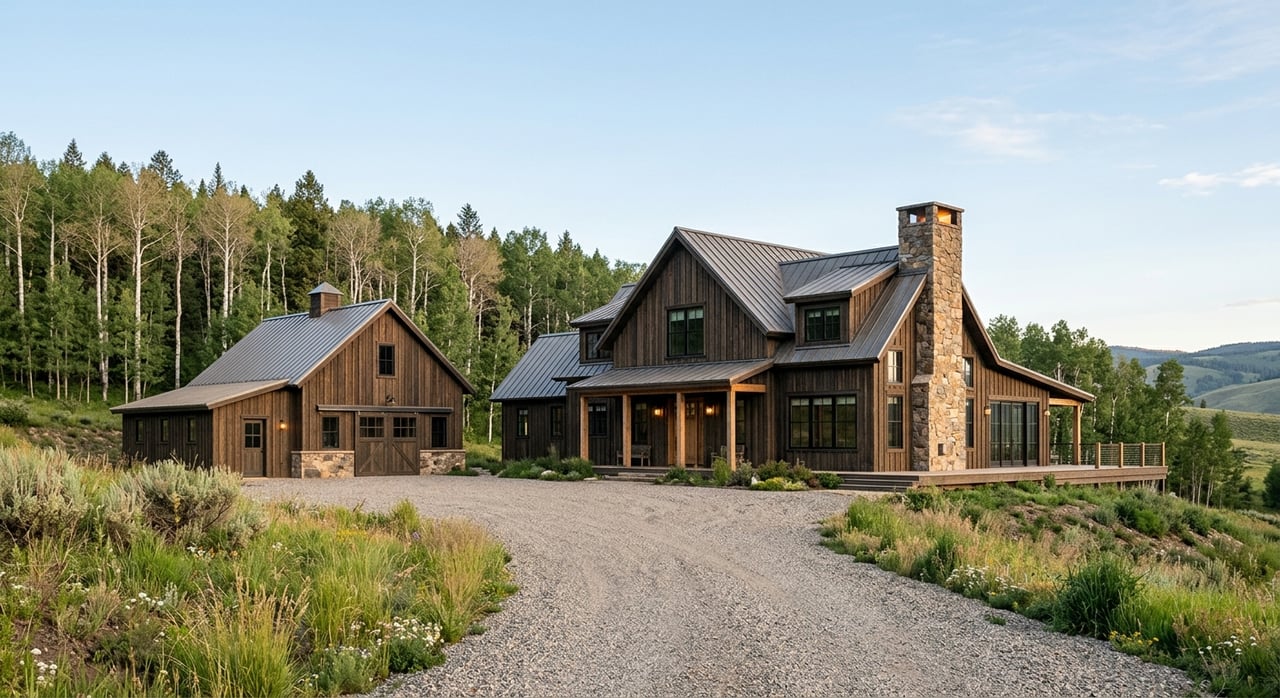
Land And Ranch Opportunities In Norwood And Beyond
June 11, 2026
June 11, 2026
Looking for land near Telluride but want more space, more flexibility, and a stronger rural feel? Norwood and the surrounding 81423 area stand out because this is not simply a lower-cost alternative to the resort core. It is a different kind of market, shaped by open land, agricultural character, and practical questions about access, water, and septic. If you are exploring ranch property, build sites, or larger acreage in San Miguel County, understanding those differences can help you make a smarter decision. Let’s dive in.
Norwood sits on Wright’s Mesa at about 7,000 feet in a small high-desert setting known for open views and dark skies. The town describes itself as an International Dark Sky Community, which reinforces the area’s low-density, wide-open character. In a county that spans 1,287 square miles, with about 66% of land managed by federal and state agencies, that sense of space is a major part of the appeal.
For buyers who know Telluride, Norwood offers a very different backdrop. Telluride is roughly 33 miles east and is defined by a compact resort setting, while Norwood is more closely tied to ranching, open land, and rural recreation. If your goal is acreage, privacy, or a property with room to grow into, Norwood naturally enters the conversation.
The biggest difference is land use. Telluride proper is a compact box-canyon town with a historic core, while Mountain Village is a planned resort community with its own infrastructure and development framework. Norwood and the surrounding West End are more acreage-friendly and more closely tied to agricultural and rural land uses.
That distinction matters because you are not just comparing locations. You are comparing property types, utility options, zoning rules, and daily lifestyle. In Norwood, buyers often prioritize room, views, animals, outbuildings, and recreation access rather than walkability to a resort core.
One of the most common opportunities in the 81423 market is vacant land on larger lots. Within the Town of Norwood, the Agricultural district is designed for agricultural uses and also allows single-family development on lots of two acres or larger where septic requirements apply. That creates a path for homesites that feel spacious and practical, especially for buyers who want a custom home with breathing room.
Outside town, county rural zoning supports the same general pattern at a larger scale. San Miguel County’s Wright’s Mesa Rural Agricultural district is intended to protect rural and agricultural character while supporting ongoing agricultural operations and compatible uses. For you as a buyer, that often translates into lower-density parcels with a more land-focused identity.
Many buyers are not looking for a full working ranch. They want a manageable property with space for privacy, storage, or a rural lifestyle. In this market, that often means a small-acreage ranchette or homesite where outbuildings, animals, or simply extra elbow room are part of the appeal.
This is one reason Norwood draws attention from people priced out of, or simply less interested in, the tighter resort inventory closer to Telluride. The value is not only in cost per acre. It is also in the type of ownership experience the land can support.
For buyers with more ambitious plans, the zoning framework supports agricultural operations and related uses. The Town of Norwood’s code contemplates uses such as animal husbandry, equestrian centers, stables, rodeo grounds, and dude ranches as permitted or conditional uses in the Agricultural district. County land use policy in the area also emphasizes protection of rural and agricultural character.
That does not mean every parcel can support every idea. It does mean the local framework is more aligned with ranch-style ownership than what you would typically find in the resort core. If you are thinking long term about farming, livestock, or a legacy landholding, this is the kind of market where those conversations start.
Land here can also appeal to buyers who care less about production and more about access to the outdoors. The Burn Canyon Trail System sits just a few miles southwest of Norwood and offers hiking, biking, horseback riding, and OHV access. Miramonte Reservoir and the Dan Noble State Wildlife Area add fishing, boating, camping, hunting, and nature viewing to the broader lifestyle picture, subject to applicable rules and licenses.
That combination gives Norwood a strong recreational identity without changing its rural character. For some buyers, the ideal parcel is not a formal ranch at all. It is a private basecamp with room to build, store gear, and enjoy the surrounding landscape.
With raw land, access is often the first real test. In unincorporated San Miguel County, addresses are generally assigned during development review and usually are not given to vacant land under most circumstances. In the West End, if access is from a county road, Road & Bridge approval is required before an address can be assigned, and an OWTS review is also required.
That means you should not assume a parcel is straightforward just because it appears easy to reach on a map. Practical legal access, development review, and road-related approvals can affect what happens next. Early clarity here can save you time and prevent expensive surprises.
County GIS maps are useful for research, but San Miguel County is clear that they are not survey accurate. If boundaries, easements, setbacks, or improvements matter to your plans, the next step is a licensed surveyor. This is especially important when you are evaluating larger tracts or irregular parcels.
Many land buyers make decisions from aerial views and listing photos. That is a good start, but it is not enough when the details of the ground itself will shape your options. In a rural market, precision matters.
Water is one of the biggest due diligence items in this market. San Miguel County notes that many households rely on private wells, and the owner or tenant is responsible for testing. The county also references annual testing recommendations for coliform bacteria and nitrate at a minimum.
The Colorado Division of Water Resources handles well permitting and also reviews water supply proposals sent through county permitting channels for subdivisions, special use permits, and certain other land-use reviews. In plain terms, a parcel may look attractive on paper but still require careful review before you can feel confident about its water path.
For rural parcels, wastewater planning is not something to push to the end of the process. Colorado’s on-site wastewater treatment systems, often called septic systems, are regulated under Regulation 43, and systems with flows of 2,000 gallons per day or less are permitted locally by counties. That makes septic feasibility a core part of land evaluation.
If you are comparing multiple parcels, this single issue can separate a realistic opportunity from a frustrating one. Soil conditions, site layout, and local review all matter. It is far better to ask those questions early than after you are emotionally committed to a property.
Norwood itself has a Water Commission, Sanitation District, and Raw Water System, which points to an established utility structure within town. That can create a different planning process than what you would face on rural acreage outside town. The farther you move into unincorporated land, the more likely private water, septic, and access become central issues.
This is why two properties with similar acreage can involve very different paths. One may function more like a town-adjacent homesite, while another may require a more detailed rural feasibility review. The difference is not always obvious from a listing sheet alone.
If you are in the research stage, the most useful first question is simple: what do you want the land to do? Your answer shapes everything that follows, from zoning review to utility planning to your budget. A parcel for a private home, a horse property, a recreational retreat, or a long-term ranch holding may each require a different level of diligence.
A practical way to evaluate land in Norwood and beyond is to work through the basics in order:
That sequence helps keep the process grounded in facts rather than assumptions. In a market like this, good land can be a strong long-term asset, but only when the parcel supports the way you actually want to use it.
Norwood is part of the broader Telluride region, but it operates on a different set of land realities. The opportunity can be compelling if you want more acreage, a quieter setting, or a ranch-oriented property type that is difficult to find closer to the resort core. At the same time, these purchases usually require a more detailed read on zoning, infrastructure, and feasibility.
That is where local market context becomes valuable. You need more than a list of parcels. You need clear perspective on how a property fits the county framework, how it compares to other opportunities in the region, and whether it aligns with your goals over the long term.
If you are considering land or ranch opportunities in Norwood, 81423, or the surrounding mesas, Eric Saunders can help you evaluate the options with practical local insight and a clear understanding of the wider Telluride market.
August 6, 2026
Local Knowledge & Lifestyle
Eric Saunders | July 28, 2026
Buying
Eric Saunders | July 28, 2026
Buying
Eric Saunders | July 28, 2026
Real Estate Education & Tips
July 28, 2026
Real Estate Education & Tips
Eric Saunders | July 28, 2026
Selling
Eric Saunders | July 28, 2026
Local Knowledge & Lifestyle
Eric Saunders | July 28, 2026
Eric Saunders | July 27, 2026
Find Mountain Village Ski Condos and Resort Living in Telluride.
Eric loves to help people discover the mountain lifestyle and magic of Telluride. He brings a high level of professionalism and integrity to each transaction; allowing you to relax and enjoy the buying/selling process. He has been involved in over $400 million in real estate transactions and has guided clients through large-scale and single-family developments, condo, commercial and land purchases.