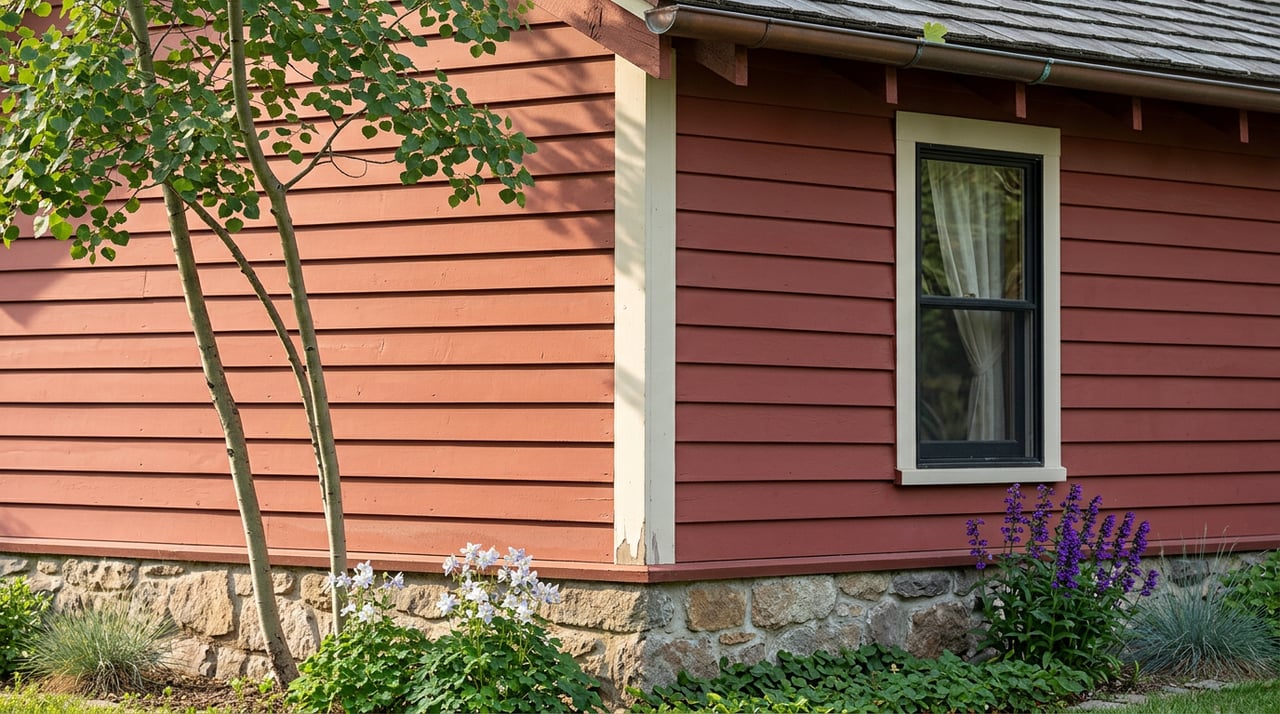
What Ophir Actually Costs: Reading a Market Where the Comps Live Somewhere Else
July 23, 2026
July 23, 2026
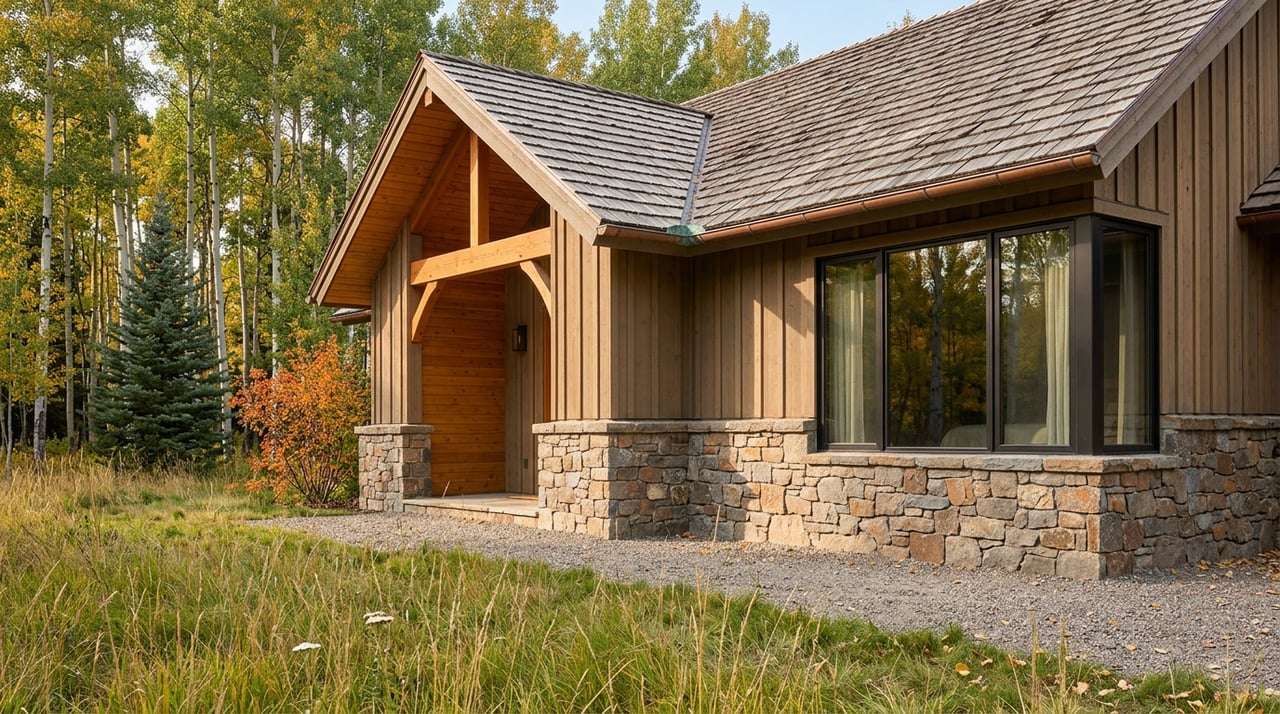
A cabin on Granite Avenue is listed at $899,000 this summer. It began life as a Sears kit home, sits on a single-level footprint with southern exposure toward Waterfall Canyon, and is roughly a fifteen-minute drive to the Telluride ski area. Ten miles north, the mid-2026 Telluride median list price sits near $3,175,000 across about ninety active listings, with an average around $1,934 per square foot.
That gap is the entire story of buying in Ophir. It is not a discount, and it is not a bargain hiding in plain sight. It is what happens when a market is too small to price itself and has to borrow the math from a neighbor.
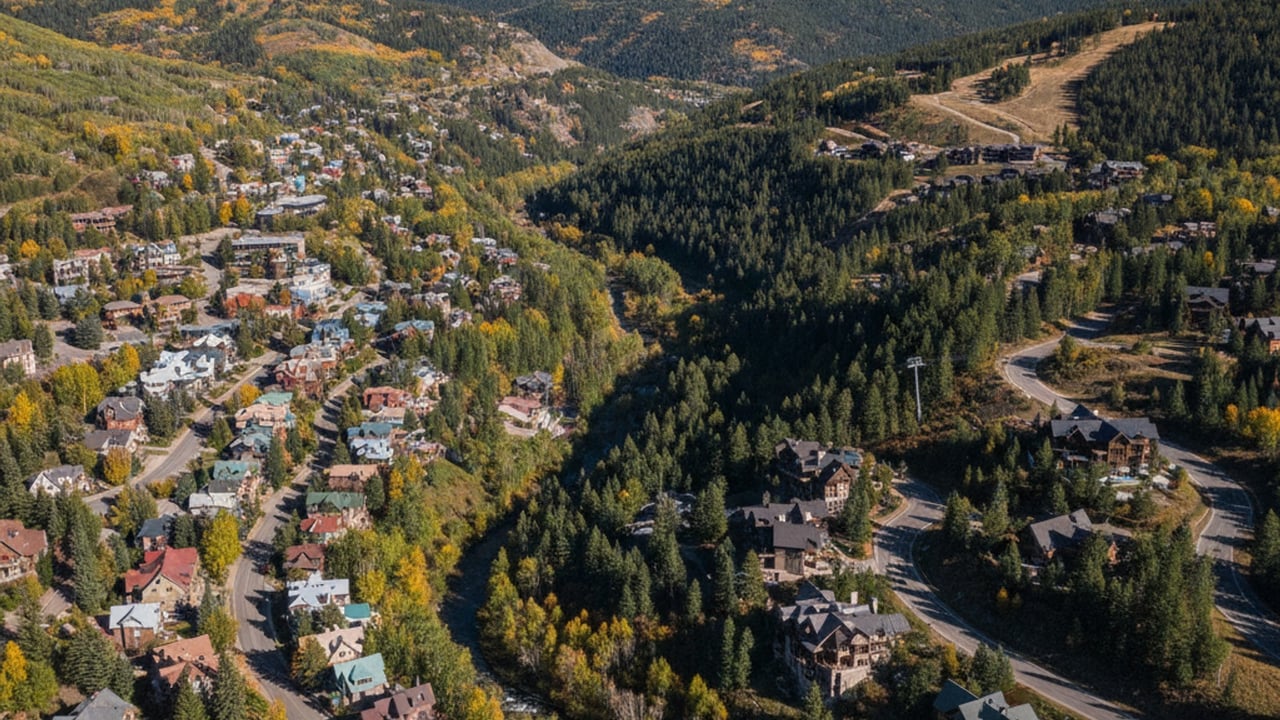
Ophir had 197 residents at the 2020 census and occupies roughly two-tenths of a square mile of buildable ground in a box canyon south of Telluride. Only a handful of properties trade in any given year. Sellers rarely have a direct comparable next door, and buyers often wait months for the right listing to surface. Price opinions here are built by starting with Telluride, Mountain Village, or down-valley sales and adjusting.
The adjustments are where local knowledge earns its keep. A Telluride historic-district Victorian and an Ophir miner's cottage may share square footage and vintage, but they do not share the same land supply, the same access, or the same winter. Applying a Telluride price per foot to an Ophir footprint without those adjustments will overshoot on the high side and miss the friction that quietly caps the top of the Ophir range.
The current shelf is a good illustration of that math. As of this summer:
Four dissimilar assets. No two of them tell you what the third is worth.
If you have shopped Telluride, you already know the top-line story. Q1 2026 commentary from Telluride Properties described continued strength from affluent buyers focused on newer, high-end product, with limited inventory keeping transaction volume modest even as prices climb. That is the resort-market frame. It travels poorly to Ophir.
What travels well is rural due diligence. Ophir sits in serious avalanche terrain. Snow loads, plowing arrangements, and slide-path exposure on and near a parcel are normal parts of a buyer's homework here, not exotic edge cases. The town's own municipal code zones the surrounding valley as open space restricted to non-motorized, minimal-impact recreation, and prohibits ATVs and unlicensed vehicles on town roads. That zoning stabilizes the setting a buyer is paying for, and it also constrains what a lot can ever become.
Layer on the rural-property questions that a Telluride in-town buyer rarely sees:
Every one of those items has a price. A clean well test and a modern septic add real dollars to an Ophir cottage that a Telluride condo buyer would never think about. A slide-adjacent orientation removes them.
Ophir Pass is the reason casual buyers hear about the town at all. Forest Road 630 climbs to 11,789 feet between Ophir and Silverton and typically opens in mid-June and closes with the first serious September snow. In between, it is a moderate high-clearance drive with one narrow shelf section on the west side.
For a resident, this is not a scenic detail. It is a calendar. The pass window shapes when a listing shows well, when contractors can move materials over from the Silverton side, and when out-of-town buyers can actually walk a property in shirtsleeves without a four-wheel-drive rental. The Ames Hydroelectric Plant nearby, the world's first alternating-current plant built to power industrial mining, is a fine piece of trivia. The plowing agreement on your access road is not.
A property that shows beautifully in July can be a very different asset in February. The buyer's real question is whether the roof, the drive, and the utilities are engineered for the winter the setting implies.
Consider how a broker actually prices in this town. Start with a recently closed Telluride home at, say, $1,900 per square foot. Adjust down for the location premium that Telluride's protected Victorian streetscape, gondola access, and festival calendar command. Adjust down again for the thinner rental demand and the sharper winter-access profile. Then adjust back up for the box-canyon setting, the national-forest adjacency that the town's open-space zoning locks in, and the scarcity of ever seeing a comparable listing again.
You end up with a range, not a number. The $899,000 kit-home cabin and a well-sited new build on a clean lot are not living in the same range even inside Ophir. That is why the region-fluency skill matters more here than a hyperlocal comp file. Someone who only knows Ophir sales cannot price anything, because there aren't enough of them. Someone who only knows Telluride sales will misprice everything, because the frictions are different.
This is also why the Telluride Q1 2026 note about "transaction volume remains modest even as prices climb" reads differently in a town of under 200 residents than it does at the Four Seasons Residences. In Ophir, a single trade in a given quarter is the market. Two trades are a trend. The information gain from a listing is enormous. The information loss when a listing pulls before contract is equally large.
A few practical implications fall out of the comp-adjusted structure of the market:
Is Ophir a second-home market or a full-time community? Both, in unusual proportion. The town has under 200 permanent residents and a mix of historic structures with newer mountain homes. Some owners live here year-round, others use their homes seasonally. Rental supply is very limited.
How does Ophir compare on price to Telluride and Mountain Village? On a per-square-foot basis, Ophir trades below the Telluride mid-2026 average near $1,934 per foot, and well below new-construction benchmarks in Mountain Village approaching $4,000 per foot cited for projects like the Four Seasons Residences Telluride and Highline. The right comparison is not price per foot alone. Adjust for setting, access, and system risk.
Can you drive Ophir Pass to reach a property in winter? No. The pass is not maintained for passenger vehicles once snow arrives in September, and typically does not reopen until mid-June. Winter access to Ophir is from Highway 145 only. Any listing that implies year-round pass access is misreading the road.
What is the historic character worth? Structures like the converted 1896 Ophir Schoolhouse carry a premium tied to scarcity and story rather than square footage. Buyers who want that character should expect a wider bid-ask spread and a longer marketing timeline in both directions.
Ophir rewards buyers who treat the setting as the primary asset and the structure as the second decision. The comps live in Telluride and Mountain Village, but the value lives on the parcel: how it sits, how it drains, how it plows, and how quietly it holds its ground through a real winter. If you are weighing a move into or out of Ophir this year, or trying to read where a specific listing actually sits in the range, Eric Saunders is glad to walk the parcel and the numbers with you. Let's Connect.
August 20, 2026
Areas
Eric Saunders | August 14, 2026
Areas
Eric Saunders | August 14, 2026
Areas
Eric Saunders | August 14, 2026
Areas
Eric Saunders | August 14, 2026
Local Knowledge & Lifestyle
Eric Saunders | August 14, 2026
Local Knowledge & Lifestyle
Eric Saunders | August 14, 2026
Buying
Eric Saunders | August 14, 2026
Local Knowledge & Lifestyle
Eric Saunders | August 14, 2026
Eric loves to help people discover the mountain lifestyle and magic of Telluride. He brings a high level of professionalism and integrity to each transaction; allowing you to relax and enjoy the buying/selling process. He has been involved in over $400 million in real estate transactions and has guided clients through large-scale and single-family developments, condo, commercial and land purchases.