Living in the Telluride Historic District, CO: Homes, Prices, and Daily Life
Local Knowledge & Lifestyle Eric Saunders August 14, 2026
Local Knowledge & Lifestyle Eric Saunders August 14, 2026
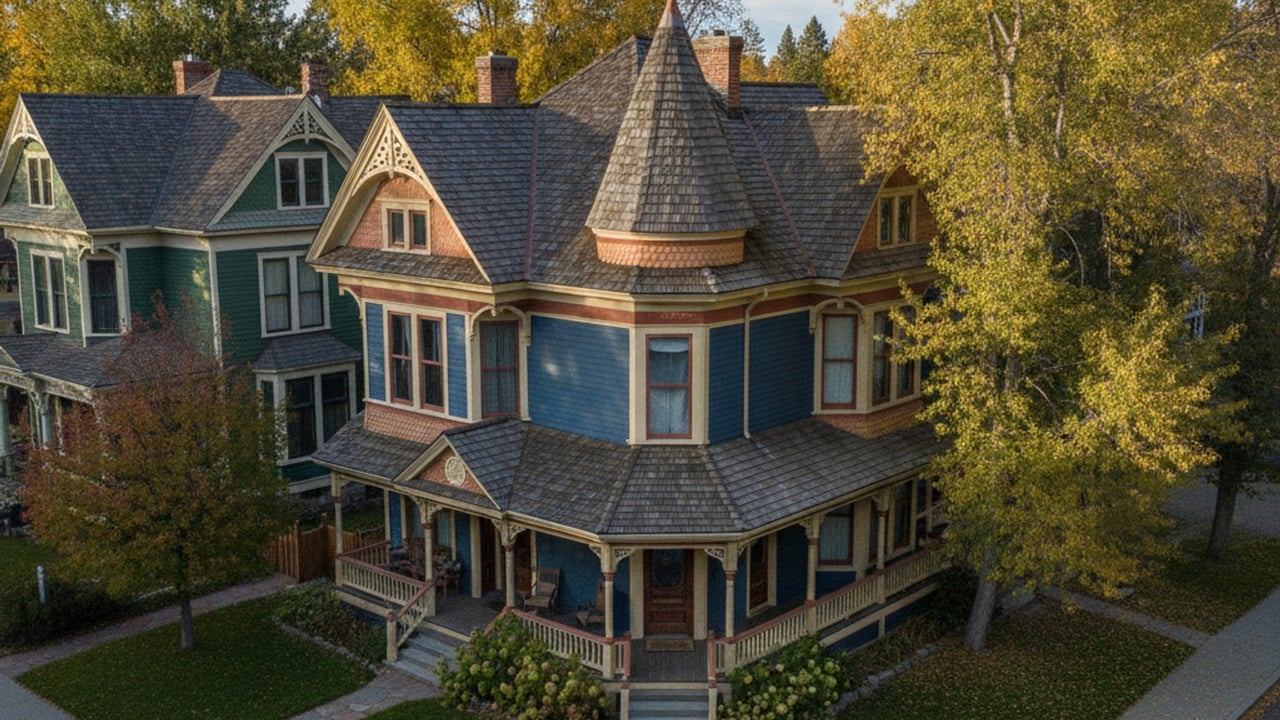
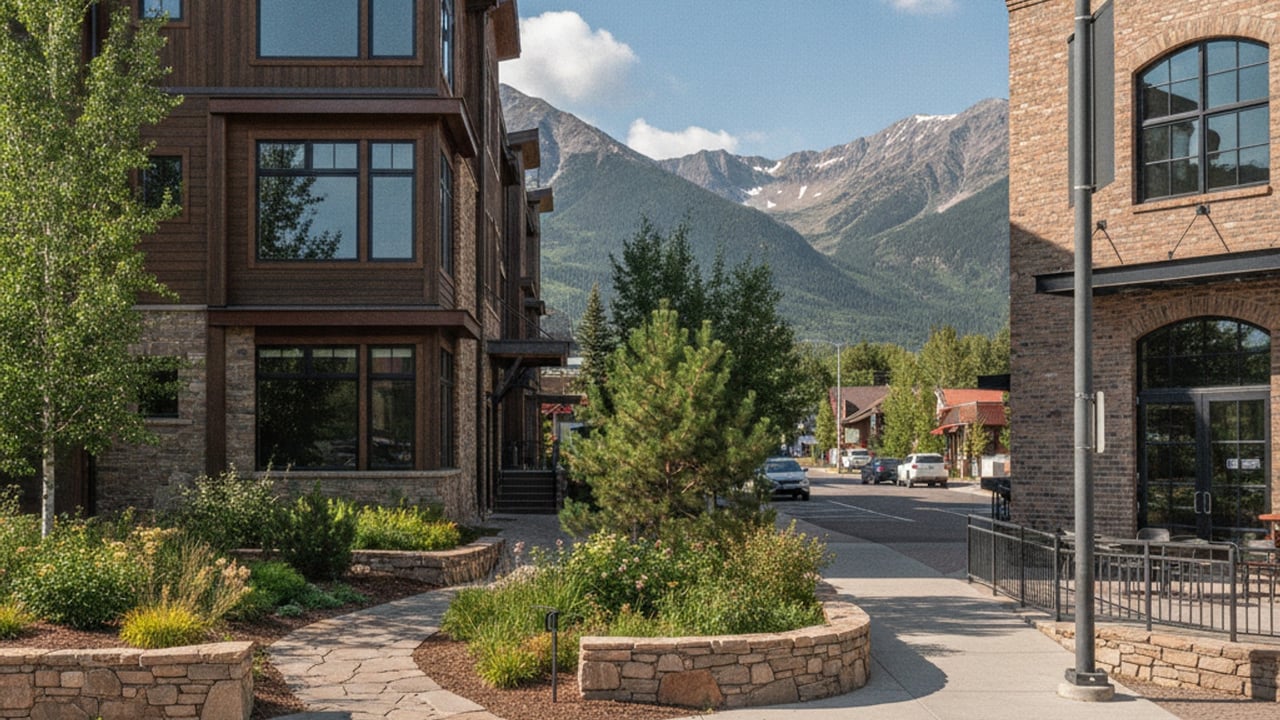
The Historic District in Telluride, CO, covers the town's original core grid - late boom-town Victorian architecture, preserved in place, still functioning as the primary commercial and residential center of town. That designation as a National Historic Landmark District happened in 1961, and it wasn't symbolic. It put real teeth on what you can and can't do to these structures, ensuring the area remains one of the best neighborhoods in Telluride, CO.
Buyers looking at homes for sale in the Telluride Historic District will find a mix of preserved single-family properties and updated condominiums. Inventory here has always been tight - there's a finite number of original structures, the footprint doesn't grow, and prices reflect exactly that.
The district runs through the central streets of Telluride, CO, serving as the town's main residential and commercial hub. Anchor points include the Sheridan Opera House, built in 1913, and the Telluride Historical Museum. You can walk to local services, dining, and transit connections that link the valley floor to the upper mountain areas. The grid layout is straightforward - trailheads, the commercial core, all of it reachable on foot.
The 1961 National Historic Landmark District designation is what keeps the streetscape looking the way it does. Most structures here feature late boom-town Victorian styles - specific roof pitches, particular siding materials, window proportions that aren't negotiable. If you're planning exterior renovations or additions, you'll work within local preservation guidelines that are detailed and enforced. Modern exterior builds are rare for a reason.
The free Telluride Gondola opened in 1996 and connects the Town of Telluride directly to Mountain Village in a 13-minute ride. It's the nation's first and only free public transportation system of its kind, and residents use it year-round - for work, dinner, recreation - not just ski days. If you live in the historic district, a vehicle becomes optional in ways it wouldn't be elsewhere in the county.
Real estate in the Telluride Historic District carries a premium, and that's not going to surprise you once you understand the supply picture. Across San Miguel County, the median sale price reached roughly $5.78 million in mid-2026, though specific neighborhood figures vary depending on the data source. Zillow estimates the typical home value for the broader Telluride area at around $1.9 million, reflecting a recent 12.2% year-over-year dip. Local brokerages, though, report that single-family homes in the historic core typically list and sell closer to $3.0 to $3.2 million. Those two numbers aren't contradicting each other - they're measuring different things.
Inventory is sparse. Recent county-wide data shows just 51 active listings and roughly 24 months of supply, which puts this squarely in low-volume territory. Homes across the broader county are sitting on the market for an average of 203 days. That's not a distress signal - it's just the pace of a market where buyers are writing large checks on historic properties that require thorough inspections and, often, specialized financing. Plan accordingly.
You won't find new construction here. The supply is older, established homes on compact lots - exactly what you'd expect from a historic mining town grid. There's also a selection of condominiums and townhomes integrated into the older structures. Interiors are frequently updated, but the exterior footprints stay fixed. That's the trade-off, and it's not going to change.
Living in the historic district puts you on the town's primary commercial corridor. Groceries, hardware, professional services - most of what you need day-to-day is walkable. The dining scene runs year-round, serving full-time residents and seasonal visitors alike, and a good portion of it operates out of the same historic buildings that define the streetscape.
For upscale dining, 221 South Oak and The National are both well-established options. The New Sheridan Chop House operates inside the historic New Sheridan Hotel for something with more of a traditional feel. The Floradora Saloon has been open since 1973. Cornerhouse Grille rounds out the longer-standing spots. La Marmotte serves French bistro fare out of an 1883 icehouse, which is a good illustration of how local businesses use the original structures rather than work around them.
The district holds the town's everyday retail and service businesses. Local shops operate out of preserved commercial storefronts along the main avenues, and the compact grid means you don't need a vehicle for most daily tasks. A lot of residents walk or cycle through the central blocks during the warmer months.
Telluride, CO, sits in a box canyon, and the historic district gets the full alpine climate. Winter brings real snowfall - property owners deal with roof loads and sidewalk clearing as a matter of routine, not exception. Summers are generally mild and clear, which drives consistent pedestrian activity through the downtown grid. The seasons are distinct here, and they shape how residents use the neighborhood and how they maintain their properties.
Students in the district attend Telluride School District No. R-1, headquartered at 725 West Colorado Ave. The district runs four public schools: two elementary schools, one middle school, and one high school, serving the immediate town and surrounding county areas. In a recent state ranking, Telluride School District No. R-1 placed 6th out of 115 Colorado districts.
Historic homes here often need upgraded insulation and specialized roof maintenance to handle the winter snowpack - these aren't optional upgrades, they're functional necessities. Spring melt brings drainage issues around older foundations that deserve attention before they become expensive ones. If you're buying an older property in this climate, build seasonal maintenance costs into your budget from the start, not after the first winter.
The Town of Telluride regulates short-term rentals carefully. STRs are permitted, but you'll need a Town-issued STR business license, and that license number has to appear in all advertising for the property. Violations carry real consequences - misdemeanor charges and fines of up to $1,000 per offense.
There's a hard cap of 875 STR permits town-wide. If a property you're considering doesn't already hold a license, you'll need to find out whether you'd be joining a waitlist before you close. Residential zone districts, including Historic Residential zones, also face usage limits: for short-term stays of 1 to 29 nights, owners are limited to a maximum of three stays per year, with a cumulative total of no more than 29 nights rented. That's a meaningful constraint if your investment math depends on rental income.
It depends on the exact address and the town's official zoning map. The district generally covers the central town grid, but buyers should consult the Town of Telluride's planning department to verify a specific parcel.
There are strict restrictions overseen by local preservation guidelines. Owners must maintain the original architectural style, roof pitches, and materials, which often limits the ability to add square footage.
It depends on the scope of the proposed project. Simple repairs may move quickly, while major renovations or additions require detailed review to ensure compliance with the 1961 National Historic Landmark District standards.
It depends on the specific property and the type of restoration work being done. Buyers should consult a local tax professional or the town's preservation office to see what current programs apply to their project.
Properties in the historic core often carry a premium due to the finite supply of original structures and the central location. While broader Telluride homes have a median value around $1.9 million, local brokerages report historic core single-family homes often list between $3.0 and $3.2 million.
The new owner typically inherits the liability for unpermitted changes. You may be required to bring the property back into compliance with the town's historic preservation guidelines, which can involve removing the unpermitted work at your own expense.
Areas
Eric Saunders | August 14, 2026
Areas
Eric Saunders | August 14, 2026
Areas
Eric Saunders | August 14, 2026
Areas
Eric Saunders | August 14, 2026
Local Knowledge & Lifestyle
Eric Saunders | August 14, 2026
Local Knowledge & Lifestyle
Eric Saunders | August 14, 2026
Buying
Eric Saunders | August 14, 2026
Local Knowledge & Lifestyle
Eric Saunders | August 14, 2026
Buying
Eric Saunders | August 14, 2026
Eric loves to help people discover the mountain lifestyle and magic of Telluride. He brings a high level of professionalism and integrity to each transaction; allowing you to relax and enjoy the buying/selling process. He has been involved in over $400 million in real estate transactions and has guided clients through large-scale and single-family developments, condo, commercial and land purchases.